Evaluating the Names of Allah Coloring Book for Ramadan
In the context of creating meaningful, educational content for children during Ramadan, a resource like the Names of Allah Coloring KDP interior presents a specific and noteworthy product. This analysis examines its practical value for publishers, educators, and parents looking for structured creative activities that align with the spiritual themes of the month.
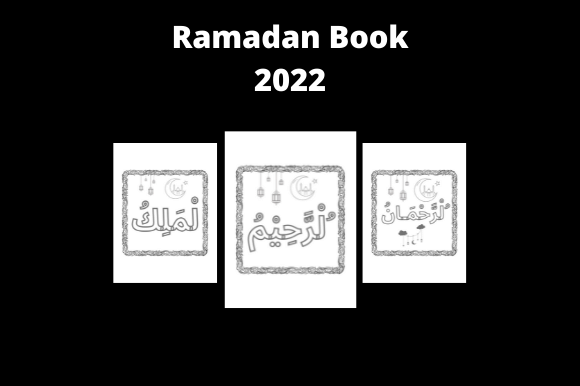
The core product is a digital interior file designed for self-publishing platforms like Amazon KDP. It is formatted as an 8.5 x 11 inch coloring book, containing 21 distinct Islamic-themed images. The advertised focus on "Names of Allah Coloring" suggests illustrations centered around the attributes of God, complemented by scenes depicting salat and prayer moments. The provided file includes 99 pages in PDF and AI formats, with bleed, indicating it is ready for professional print.
Key Characteristics and Practical Purpose
The primary purpose of this interior is to serve as a complete, ready-to-use template for creating a physical coloring book. For an entrepreneur or publisher, the significant practical value lies in its finished state; it removes the need for illustration, layout design, and page setup. The inclusion of both PDF and editable AI (Adobe Illustrator) files offers flexibility. The AI file allows for minor customizations—adjusting colors, modifying text, or perhaps adding a page—before final publication.
The stated 42-page count (21 images, presumably each presented as a coloring page and possibly a duplicate for testing) for the final book is a standard length for children's activity books. The bleed ensures that printed pages can be trimmed without leaving uncolored edges, a mark of professional preparation. These technical specs meet the baseline requirements for a marketable KDP paperback.
Strengths in Content and Application
A major strength is the targeted thematic coherence. A coloring book focused on the Names of Allah and Ramadan scenes serves a clear niche. It provides an activity that is not merely recreational but can be used as a conversational tool to teach children about Islamic concepts, prayer, and the significance of Ramadan. For a parent, it offers a structured alternative to generic coloring books during the holy month.
From a production standpoint, the readiness of the files translates to reduced time and cost. A creator without graphic design skills can leverage this interior to launch a product quickly. For educators or community organizers, the printed book could be a useful resource in classrooms or at Ramadan events, providing a quiet, reflective activity aligned with the period's ethos.
Analysis of Real-World Performance and Quality
The ultimate performance depends heavily on the unseen factor: the quality of the 21 illustrations. The practical value hinges on whether the artwork is engaging for children—clear, not overly intricate, and culturally respectful. The description mentions "Islamic images," which must be evaluated for visual appeal and appropriateness. The long-term value for the end-user (the child) is tied to this artistic quality and the durability of the printed paperback.
Usability for the publisher is high, given the complete formatting. Consistency is assured as the layout is pre-set. Reliability, however, depends on the source. Purchasers must ensure the files are correctly layered in the AI format and that the PDF print quality is high-resolution to avoid pixelation in the final product.
Who Benefits Most from This Resource?
This Names of Allah Coloring interior is most beneficial for specific user groups:
- KDP Publishers and Entrepreneurs: Individuals seeking to add Ramadan-themed children's books to their catalog without investing in custom illustration.
- Educators and Islamic Centers: Those who could use the AI file to create customized versions for their specific students or community, perhaps adding explanatory text.
- Parents with Creative Businesses: Hobbyists or small business owners who might print small batches for local sale or gift-giving during Ramadan.
For a general parent simply looking for a coloring book, purchasing a finished copy of a book made with this interior would be the path, not the interior file itself. The interior is a tool for creation, not the final consumer product.
Practical Considerations and Limitations
A key consideration is market saturation. The niche is specific, but the ease of using such an interior could lead to multiple similar books appearing on KDP. Success would then depend on additional factors like marketing, book title, and cover design.
A potential limitation is the lack of textual content. A coloring book interior typically contains only images. While this allows for focus on art, it may require the publisher or parent to provide contextual explanations about the Names of Allah or prayer scenes separately. The educational value is therefore partially unlocked by the adult using the book alongside the child.
Furthermore, the 99-page file count versus the 42-page book count suggests the inclusion of multiple file versions or instruction pages. Users should clarify the exact contents to ensure they receive the expected 21 unique coloring images in the proper format.
Final Assessment for Project Fit
Whether the Names of Allah Coloring KDP interior fits your needs depends on your goals. If you aim to publish a Ramadan-themed coloring book swiftly and professionally, and you lack design resources, this product offers a clear, practical solution. Its effectiveness is contingent on the underlying artwork's quality, which should be assessed from sample pages if possible.
For educators or organizations, the editable AI file provides useful flexibility for customization, making it a more valuable asset than a fixed PDF. Ultimately, this resource serves as a functional component within a larger project—the creation of a tangible tool for fostering creative and spiritual engagement during Ramadan. It succeeds in its stated purpose of being a ready-to-use interior, but its real-world impact is realized through how the final printed book is utilized in homes and communities.